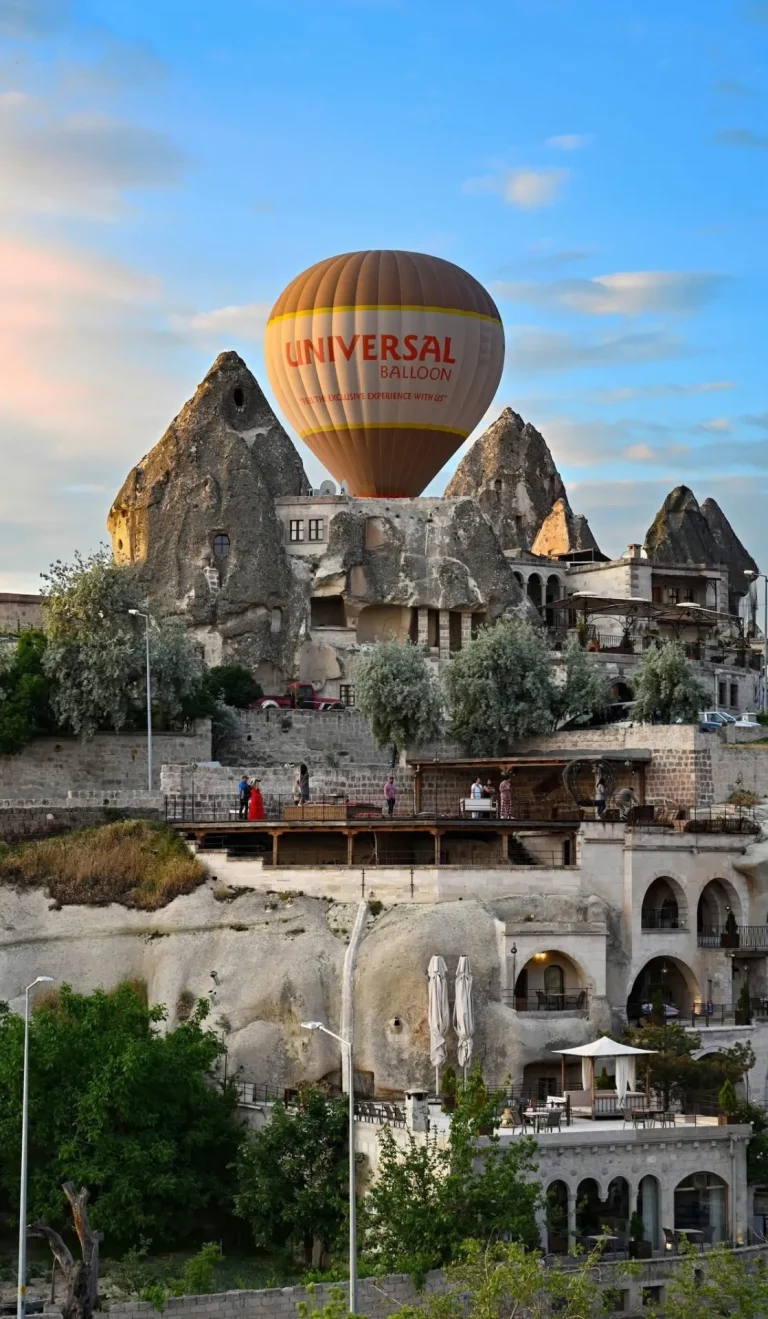
Discover ancient wonders on the ultimate Ephesus tour Turkey. Explore hidden gems, historic marvels, and cultural treasures with expert guides. Book your journey today!
Introduction to Ephesus: A Journey Through Ancient History
Ephesus, an awe-inspiring city of antiquity, offers a glimpse into the grandeur of ancient civilisations. Nestled on the western coast of Turkey near the modern town of Selçuk, it was a thriving hub of commerce, religion, and culture. This UNESCO World Heritage Site is celebrated for its remarkably preserved structures, including the iconic Library of Celsus and the majestic Temple of Artemis, one of the Seven Wonders of the Ancient World. Visitors encounter remnants of Greek, Roman, and early Christian influences as they walk its marble-paved streets. Each corner reveals fascinating insights into its storied past, making it a must-visit.
Why Ephesus Is a Must-Visit Destination in Turkey
Ephesus stands as one of the most well-preserved ancient cities in the world, offering a window into the grandeur of classical civilisations. Visitors can explore the iconic Library of Celsus with its striking façade, a symbol of ancient architectural ingenuity.
- Historical Significance: As a former major hub of commerce and culture in the Roman Empire, Ephesus boasts monuments such as the Great Theatre, which once seated 25,000 spectators.
- Cultural Depth: The Temple of Artemis, one of the Seven Wonders of the Ancient World, highlights its mythological importance.
- Imposing Landmarks: The Terrace Houses reveal intricate mosaics and frescoes, providing insights into elite Roman lifestyles.
Strategically located, Ephesus combines rich history with breathtaking scenery, enticing visitors worldwide.
Planning the Best Ephesus Tour: Key Tips for Travellers
To ensure an enriching visit to Ephesus tour, travellers should meticulously plan their itinerary. It is recommended to start early in the morning to avoid crowds and intense midday heat. Guided tours provide contextual insights, enhancing the experience, while self-guided options ensure flexibility.
- Ticket Options: Opt for combination tickets to access key sites like the Ephesus Archaeological Museum and Terrace Houses.
- What to Bring: Comfortable footwear is essential for navigating uneven terrain, coupled with hats and sunscreen for protection.
- Transportation: Choose between private taxis, shared shuttles, or rented cars for convenience.
Visitors should research seasonal weather to dress accordingly and allocate ample time for exploration.
Top Attractions in Ephesus: The Highlights You Can’t Miss
- Library of Celsus: Renowned for its grand façade, the library is an iconic testament to Roman architectural brilliance and once housed over 12,000 scrolls.
- Great Theatre: This 25,000-seat amphitheatre boasts exceptional acoustics and served as a hub for speeches, performances, and gladiatorial contests.
- Temple of Artemis: Although only remnants remain, this ancient wonder draws visitors intrigued by its historical significance and grandeur.
- Terrace Houses: Featuring intricate mosaics and frescoed walls, these elite residences reveal insights into Ephesus’ affluent lifestyle.
- Harbour Street: Lined with columns, this ancient pathway once linked the city to its bustling port and trade routes.
- Basilica of St John: Thought to house St John’s tomb, this structure offers commanding views alongside spiritual and historic importance.
Discovering these landmarks uncovers Ephesus’ layered history and timeless allure.
The Ancient Theatre of Ephesus: Reliving Performances of the Past
The Ancient Theatre of Ephesus stands as an enduring testament to Roman architectural ingenuity and cultural vibrancy. Designed to accommodate up to 25,000 spectators, this iconic amphitheatre was not only a venue for theatrical performances but also a stage for political debates and gladiatorial combat. Its grand structure, carved into the hillside, offers a striking visual, with tiered seating and preserved marble details hinting at its historical extravagance.
As visitors ascend the steps, they gain a sense of the scale once enjoyed by ancient audiences. The acoustics, famous for their clarity, make it easy to imagine the lively orations and dramatic enactments that once echoed through the arena.
The Library of Celsus: An Architectural Marvel of Antiquity
The Library of Celsus in Ephesus stands as a masterpiece of Roman-era architecture and engineering. Constructed in 117 AD, it was commissioned by Gaius Julius Aquila in honour of his father, Tiberius Julius Celsus Polemaeanus, a Roman senator and governor. The library presented a façade of intricate marble carvings and Corinthian columns, striking a balance between function and opulence.
Its iconic two-storey design served both as a repository of knowledge, housing approximately 12,000 scrolls, and as a mausoleum for Celsus himself. Clever architectural techniques, such as recessed walls, created an illusion of grandeur. Visitors frequently marvel at its symbolic statues—Wisdom, Knowledge, Intelligence, and Virtue—emphasising intellectual pursuits.
Temple of Artemis: A Wonder of the Ancient World
The Temple of Artemis, also known as Artemision, stood as a testament to architectural ingenuity and religious devotion during antiquity. Located in Ephesus, it was dedicated to the goddess Artemis, a central figure in Greek mythology associated with hunting, chastity, and childbirth. Constructed in the 6th century BC by the renowned architect Chersiphron and his son Metagenes, the temple exemplified Ionic architecture, showcasing intricate columns and ornate reliefs.
It was considered one of the Seven Wonders of the Ancient World, signifying its unmatched grandeur and cultural significance. Despite its destruction by fire in 356 BC, fragments of this marvel, unearthed during archaeological endeavours, continue to unravel its historical prominence.
Ephesus with Comfort: Exploring Guided Tour Options
Guided tours to Ephesus offer well-organised itineraries designed for travellers seeking convenience without compromising in-depth exploration. Visitors can choose from options such as private tours tailored to their preferences, or group excursions that provide sociable experiences while still covering essential landmarks. Professional guides enhance the journey with insightful commentary about ancient ruins, cultural significance, and intriguing backstories. Many tours incorporate transportation, reducing time spent navigating logistics and allowing focus on sightseeing. Additional benefits include skip-the-line tickets for crowded attractions such as the Library of Celsus and the Great Theatre. Flexible timings cater to diverse schedules, ensuring maximum comfort and accessibility.
Best Seasons and Times to Visit Ephesus
The best time to visit Ephesus is during spring (April to June) and autumn (September to October). These months provide mild temperatures, avoiding the intense summer heat that peaks in July and August. Spring visitors can enjoy lush greenery and blooming wildflowers surrounding the ancient ruins, creating a picturesque atmosphere. Autumn brings a cooler climate, making it ideal for long sightseeing walks.
Ephesus is less crowded in the early morning or late afternoon, providing a more serene experience. It is advisable to avoid national holidays and weekends if seeking quieter exploration. Comfortable weather enhances the discovery of this historical treasure.
Local Cuisine and Culture: Enhancing Your Ephesus Experience
Ephesus offers a captivating introduction to Turkish culture and culinary traditions. Visitors are encouraged to explore local markets brimming with spices, fresh produce, and handcrafted souvenirs. A visit to the surrounding villages unveils authentic flavours such as gözleme, a savoury flatbread, or sütlaç, a creamy rice pudding.
Restaurants near Ephesus serve traditional dishes like lamb kebabs, stuffed vine leaves, and slow-cooked stews. Pairing these with locally produced wines from the region’s vineyards enhances the gastronomic journey.
Cultural exploration includes witnessing rug-weaving demonstrations, Turkish folk music performances, and ancient olive oil production techniques. These activities provide an authentic connection to the rich heritage of the area.
Travel Essentials for Your Ephesus Journey: Packing and Preparations
A well-prepared traveller maximises their Ephesus experience by carrying the right essentials. Packing thoughtfully ensures both comfort and convenience during the tour. Consider the following while preparing for the journey:
- Clothing: Lightweight, breathable fabrics for hot weather are crucial. Layered outfits work well, as mornings can be cooler. Bring a hat and sunglasses for sun protection.
- Footwear: Comfortable walking shoes or sandals with good grip are necessary due to uneven surfaces.
- Day Pack: Carry a small backpack for water, snacks, sunscreen, and a guidebook.
- Electronics: Use a power bank to keep cameras or phones charged.
- Local Currency and Identification: Carry Turkish Lira for small expenses and official identification.
Prepare for varying weather and cultural expectations, ensuring a seamless visit.
Eco-Friendly Touring: How to Explore Responsibly
Exploring Ephesus responsibly starts with making sustainable choices that minimise environmental impact while preserving its unique heritage. Visitors should prioritise reusable water bottles and bags to reduce single-use plastics. Opting for guided walking tours not only limits carbon emissions but also supports local experts sharing their knowledge of the site.
It is essential to respect marked trails and avoid disturbing archaeological remains to protect the ancient city’s fragile structures. Sustainable dining choices, such as local eateries, promote regional economies and reduce transportation footprints. Engaging with local communities supports cultural preservation and fosters respect for Turkey’s rich traditions, ensuring Ephesus thrives for generations.
Nearby Attractions: Discovering the Beauty Beyond Ephesus
Visitors to Ephesus can explore a wealth of nearby attractions that highlight Turkey’s rich history and natural splendour. Just a short drive away lies the House of the Virgin Mary, a serene site believed to be where Mary spent her final days. The ancient city of Priene offers a window into classical Greek architecture with its well-preserved Temple of Athena. For outdoor enthusiasts, the Dilek Peninsula-Büyük Menderes Delta National Park provides stunning hiking trails and pristine beaches. Meanwhile, Şirince, a charming hilltop village, delights visitors with its cobblestone streets, local wines, and traditional Turkish craftsmanship. These destinations perfectly complement an Ephesus tour.
Conclusion: Making the Most of Your Ephesus Tour
To maximise the experience during an Ephesus tour, a tailored approach to exploration is essential. Visitors should:
- Plan visits during early hours or late afternoons to avoid crowds and high temperatures.
- Hire knowledgeable local guides to unlock intricate historical narratives.
- Allocate sufficient time to explore the Library of Celsus, the Great Theatre, and the Terrace Houses.
- Incorporate nearby sites like the Temple of Artemis and the House of the Virgin Mary.
Investing in comfortable footwear and hydration ensures practical readiness. Photography enthusiasts may find sunrise or sunset ideal for capturing the timeless elegance of this archaeological jewel.