Discover the top 5 unique things to do in Turkey. Explore hidden gems, cultural wonders, and unforgettable experiences for an extraordinary Turkish adventure!
Discover Istanbul’s Historic Landmarks – Things to Do in Turkey
Istanbul, a city straddling two continents, offers an unparalleled glimpse into centuries of history. Here, visitors can immerse themselves in architectural marvels, cultural heritage, and artistic grandeur that reflects influences from multiple empires. From Byzantine cathedrals to Ottoman wonders, Istanbul’s landmarks each carry a unique story.
One of Istanbul’s most iconic attractions is the Hagia Sophia, a structure that exemplifies human ingenuity. Originally built as a cathedral in 532 AD, later converted into a mosque, and now serving as a museum, it showcases intricate mosaics, immense domes, and awe-inspiring interiors entwined with religious and historical significance. Its blend of artistic traditions makes it essential for anyone seeking to understand Istanbul’s layered past.
The neighbouring Blue Mosque provides another visual feast. Officially known as Sultan Ahmed Mosque, its distinctive design features cascading domes, exquisite blue tiles, and six slender minarets. Visitors often complement their visit by strolling through Sultanahmet Square, a space steeped in heritage that unifies these two landmarks.
Topkapi Palace immerses its visitors in Ottoman opulence and royal intrigue. Once the residence of sultans, this sprawling complex harbours treasures such as jewel-encrusted artefacts, ceremonial swords, and delicate calligraphy. Walking through its courtyards and gardens grants a sense of life during Istanbul’s imperial period.
The Basilica Cistern, an underground marvel from Byzantine times, is equally captivating. This subterranean structure comprises 336 columns, atmospheric lighting, and eerie reflections from its shallow waters. Mystery and architectural grandeur combine to enchant visitors beneath the bustling city streets.
For a touch of mystique, Galata Tower stands tall with panoramic views of Istanbul’s skyline. Beyond its role as a historical monument, the tower provides a vantage point over the Bosphorus, Golden Horn, and the sprawling cityscape. At sunset, its views become truly unforgettable.
Visiting each landmark reveals Istanbul’s multifaceted history and illuminates its role as a cradle of civilisations. Whether marvelling at religious architecture or imperial artefacts, exploring Istanbul’s historic sites is a gateway into centuries of culture and innovation.
Savour Traditional Turkish Cuisine
Exploring the culinary delights of Turkey offers a feast for the senses, reflecting the rich cultural heritage and diverse influences that have shaped the nation’s gastronomic identity. Traditional Turkish cuisine revolves around fresh ingredients, rich spices, and time-honoured cooking techniques, making it an essential part of the experience for any visitor.
Key Dishes to Try
- Kebabs: From the famous Adana and İskender kebabs to the delicate şiş kebab, this iconic selection showcases perfectly seasoned and grilled meats.
- Mezes: A variety of small plates including hummus, dolma (stuffed vine leaves), and acılı ezme (spicy tomato salad), offering a symphony of flavours to start any meal.
- Pide and Lahmacun: Often referred to as Turkish pizza, pide features boat-shaped dough topped with various fillings, while lahmacun is a thin flatbread with a savoury minced meat topping.
- Börek: Layers of flaky pastry filled with cheese, spinach, or minced meat, providing a light yet satisfying bite.
- Baklava: A quintessential dessert made with delicate layers of phyllo pastry, pistachios, and honey, concluding meals on a sweet note.
Regional Specialities
Each region of Turkey brings something unique to the culinary table:
- South-Eastern Turkey highlights dishes influenced by Arabic flavours, like spicy stews and the sweet treat künefe.
- The Aegean Coast focuses on lighter meals with olive oil-based dishes and seafood.
- The Black Sea Region is famous for its hamsi (anchovy-based plates) and muhlama, a creamy cornmeal dish.
Experiential Dining
Travellers can immerse themselves in local traditions by visiting bustling food markets, dining at family-run taverns, or participating in cooking classes that teach recipes passed down through generations. Don’t miss trying tea (çay) brewed in a traditional samovar or enjoying Turkish coffee with its distinctive preparation and serving style.
The harmonious blend of ingredients, the artful presentation, and the strong sense of sharing make Turkish cuisine a unique culinary experience.

Explore Cappadocia’s Magical Landscapes – Things to Do in Turkey
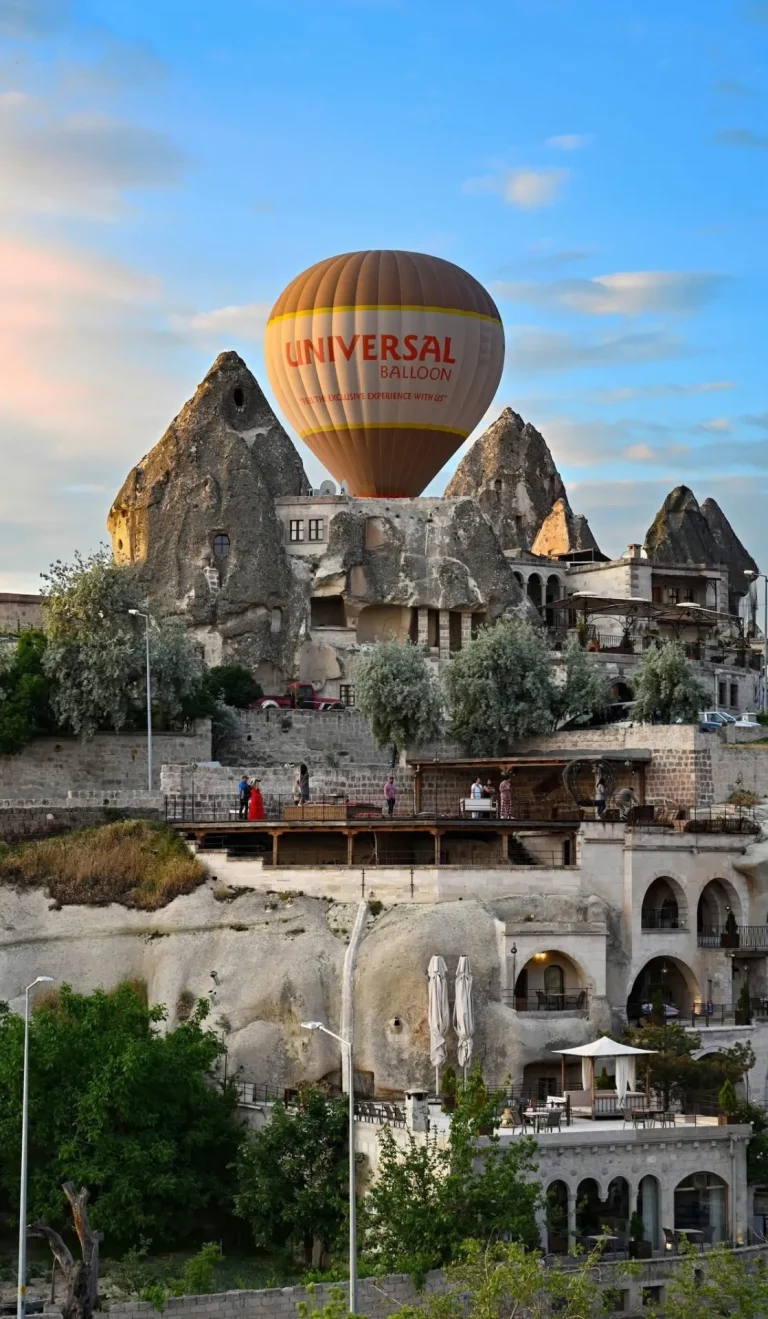
Cappadocia, located in central Turkey, is renowned for its surreal landscapes shaped by millennia of volcanic activity and erosion. This unique terrain, dotted with fairy chimneys, rock formations, and ancient cave dwellings, offers an otherworldly experience that captivates every visitor.
One of the most iconic ways to explore Cappadocia is by embarking on a hot air balloon ride at sunrise. Floating above the ethereal landscape, travellers witness the sun’s golden rays illuminating the valleys, creating a kaleidoscope of colours. This activity has become synonymous with the region, providing aerial views that are truly unforgettable. Those seeking more grounded adventures can hike through the mesmerising Red and Rose Valleys, known for their pink-hued rock formations and hidden churches carved into the cliffs.
Visitors can also explore Cappadocia’s ancient underground cities, such as Derinkuyu and Kaymakli. Built thousands of years ago, these subterranean metropolises served as shelters for early Christians fleeing persecution. Travellers can wander through their winding tunnels, marvel at ingenious ventilation systems, and imagine life within these hidden havens.
The region is also famed for its unique accommodations. Many opt to stay in boutique cave hotels, where rooms are carved directly into stone. These lodgings combine rustic charm with modern comforts, offering an unparalleled way to immerse in Cappadocia’s history.
For those seeking cultural enrichment, a visit to the Göreme Open Air Museum is essential. This UNESCO World Heritage Site showcases well-preserved frescoed churches, painted by monks during the Byzantine era. A blend of nature, history, and sheer wonder, Cappadocia remains an unmissable highlight.

Unwind on the Turquoise Coast
Turkey’s stunning Turquoise Coast, aptly named for its shimmering blue waters, offers exceptional experiences for those seeking relaxation and natural beauty. Stretching along the Mediterranean Sea, this coastline is dotted with picturesque towns, secluded bays, and pristine beaches that provide an idyllic escape from bustling city life. Travellers can immerse themselves in breathtaking landscapes where mountains meet the sea, creating panoramas that seem made for postcards.
Oludeniz is a highlight of the region and boasts one of the most famous beaches in the world. Its Blue Lagoon, with calm, crystal-clear waters, is perfect for swimming, paddleboarding, or simply lounging under the sun. The beach is surrounded by lush green hills, offering opportunities for hiking and photography enthusiasts to capture the area’s serene charm.
Boat tours are another popular activity along the coast. Setting sail from towns like Fethiye or Kas, these trips allow visitors to explore hidden coves, uninhabited islands, and ancient ruins. Travellers often stop at landmarks such as Butterfly Valley, a protected site home to diverse flora and fauna, or Kekova Island, known for its underwater ruins where remnants of ancient Lycian civilisation can be seen beneath the waves.
Luxury seekers can enjoy five-star beach resorts or opt for exclusive stays in boutique hotels perched on the cliffs. Alternatively, a gulet cruise, aboard a traditional wooden sailing vessel, combines comfort with adventure, offering a unique way to experience the coastline and its unspoiled beauty.
For cultural enthusiasts, the Turquoise Coast offers plenty of ancient sites to explore. The ancient Lycian Way hiking trail winds through the region and takes walkers past ruins, tombs, and amphitheatres. In addition, local markets provide a chance to buy handcrafted jewellery and textiles, reflecting the vibrant heritage of the area.
Regardless of the preference for leisure or exploration, the Turquoise Coast delivers unforgettable experiences, blending natural splendour with the warmth of Turkish hospitality.
Immerse Yourself in Ancient Ruins at Ephesus – Things to Do in Turkey
Located near the modern-day town of Selçuk, Ephesus stands as one of Turkey’s most captivating archaeological sites, offering an unparalleled glimpse into ancient Greco-Roman civilisation. Once a thriving trade hub and cultural epicentre, the city reveals its grandeur through remarkably well-preserved ruins that date back to the 10th century BCE. Visitors wandering through this UNESCO World Heritage Site are transported back in time by the scale and intricacy of the structures.
The Library of Celsus, perhaps Ephesus’ most iconic landmark, displays the sophistication of Roman engineering. With its intricately carved façade and towering columns, the library once held over 12,000 scrolls. The adjoining Marble Road, adorned with classical inscriptions and mosaic fragments, leads explorers toward the magnificent Great Theatre, capable of seating up to 25,000 spectators. This massive amphitheatre offers striking acoustics and breathtaking views, making it a favourite among history enthusiasts and photographers alike.
A highlight of the site is the Temple of Artemis, one of the Seven Wonders of the Ancient World. While only a few remnants remain, it is a testament to the city’s pivotal role in antiquity. Nearby, visitors can also witness the Terrace Houses, luxurious residences adorned with elaborate frescoes and mosaics that showcase the opulence of Ephesus’ elite.
To enhance the experience, guided tours bring historical context to life, while audioguides allow exploration at your own pace. Seasonal visits during spring and autumn provide pleasant weather and manageable crowds. Walking the ancient streets of Ephesus is a profound experience, unveiling the ingenuity of a civilisation that continues to inspire visitors from across the globe.
Marvel at Pamukkale’s Cotton Castle
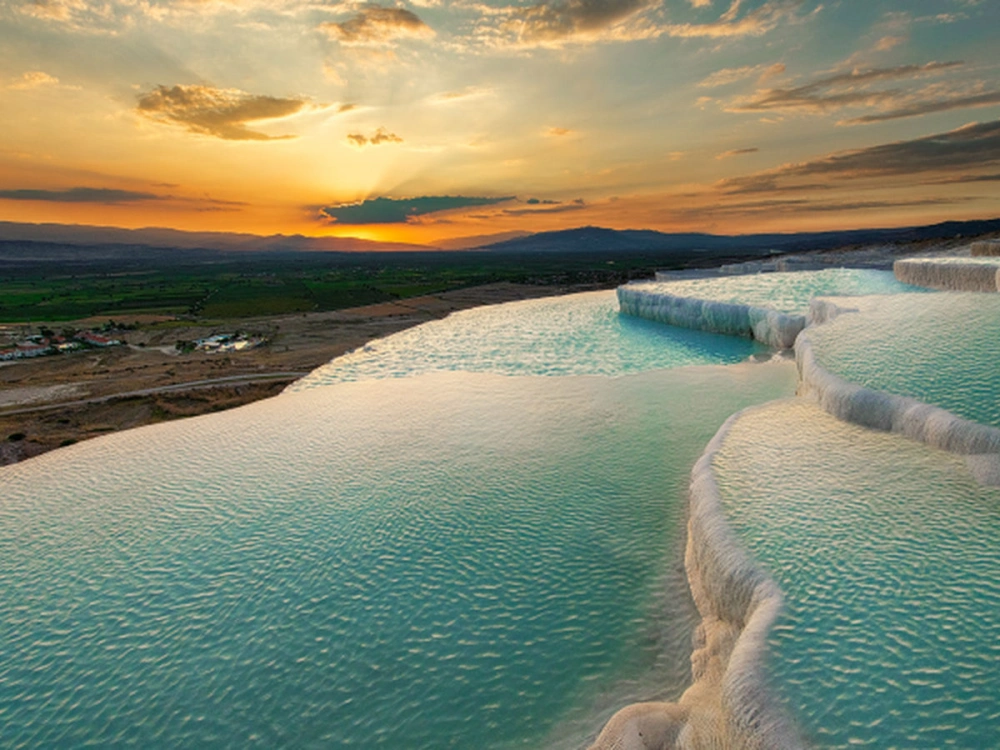
Pamukkale, located in southwestern Turkey, is an awe-inspiring natural wonder known for its shimmering white travertine terraces and hot thermal pools. Often referred to as the “Cotton Castle,” the name originates from its cascading limestone formations that resemble layers of soft cotton. This UNESCO World Heritage Site is a rare geological phenomenon shaped by mineral-rich thermal waters flowing down the hillside for thousands of years. The result is a surreal landscape of gleaming white basins filled with turquoise-hued water.
Visitors can explore barefoot along the terraces to protect the delicate formations, immersing themselves in the warm, mineral-rich pools thought to possess healing properties. The ethereal combination of textures, colours, and natural beauty makes the experience mesmerising. Pamukkale’s thermal waters, which emerge at approximately 36 degrees Celsius, are also lauded for their therapeutic benefits, including soothing skin conditions and aiding relaxation.
Beyond the terraces, Pamukkale’s proximity to the ancient city of Hierapolis adds significant historical allure. This Greco-Roman site includes remarkable ruins such as a grand amphitheatre, an ancient necropolis, and the Temple of Apollo. A standout feature is the Antique Pool, also known as Cleopatra’s Pool, where visitors can swim among submerged marble columns rumoured to have fallen from a temple during an earthquake.
With strategically positioned viewpoints, visitors can witness breathtaking sunsets over the shimmering terraces, enhancing the magical atmosphere. Whether one seeks therapeutic relaxation, historical exploration, or simply to marvel at one of nature’s greatest spectacles, Pamukkale offers an unparalleled experience. Frequent domestic and international travel options make it easily accessible, ensuring its status as a must-see destination in Turkey.
Indulge in a Traditional Turkish Hammam Experience
A visit to Turkey is incomplete without experiencing the time-honoured tradition of the Turkish Hammam, a bathhouse ritual that dates back to the Ottoman Empire. This cultural treasure offers not just an opportunity to unwind but also a sensory journey through history and tradition. With its unique architecture and deep-rooted customs, the Hammam provides a cleansing ritual like no other.
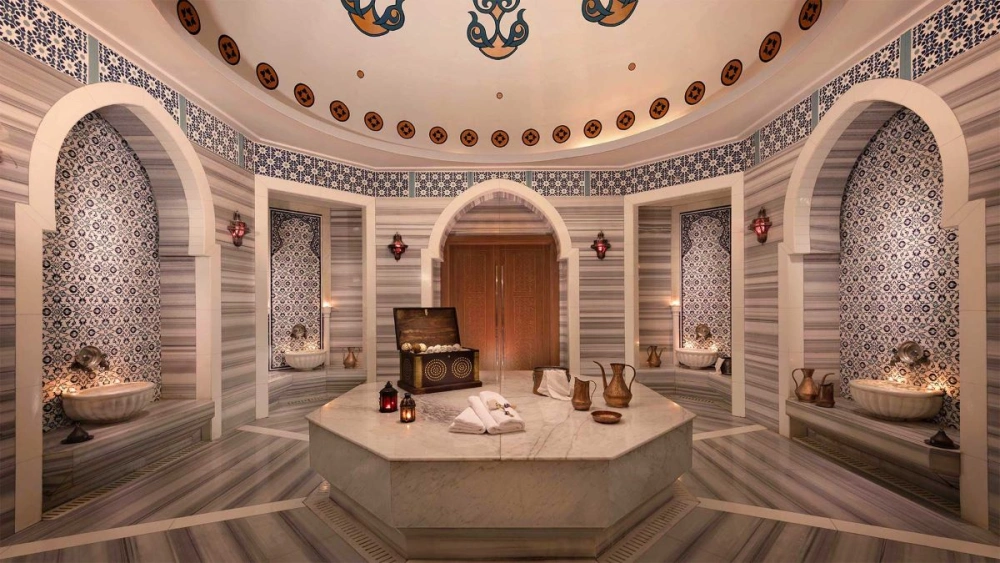
Upon entering a Hammam, visitors are greeted by intricate marble interiors and the welcoming warmth of steaming rooms designed to soothe the senses. The Hammam ritual typically begins in the “soğukluk”, or the cold room, where one adjusts to the environment before transitioning to the “hararet”, or the hot room. In the hararet, the intense heat softens muscles, opens pores, and readies the body for cleansing.
The highlight of the experience is the scrub, or “kese”, performed by a professional attendant, known as a tellak for men or a natir for women. Using a coarse mitt, the attendant exfoliates the skin, removing impurities and leaving it luxuriously smooth. Following this, a foam massage envelops the body with a cloud of fragrant soap, providing a deeply relaxing sensation. Finally, the ritual concludes in the cool room with a cup of Turkish tea, allowing visitors to bask in a state of tranquillity.
Some iconic Hammams to explore include:
- Çemberlitaş Hammam in Istanbul, renowned for its historic charm.
- Suleymaniye Hammam, noted for its family-friendly environment.
- Kılıç Ali Paşa Hammam, offering a tranquil blend of heritage and luxury.
This centuries-old wellness practice goes beyond physical rejuvenation—it provides a window into Turkey’s rich cultural tapestry. Whether in a lavish bathhouse in Istanbul or a local retreat in another city, the Hammam experience evokes a sense of timeless bliss.
Shop at Vibrant Markets and Bazaars
Exploring Turkey’s lively markets and bazaars offers an immersive journey into the heart of the country’s traditions and commerce. These bustling hubs are more than just marketplaces; they serve as cultural crossroads where history, artistry, and daily life converge.
Turkey’s most renowned bazaar, the Grand Bazaar in Istanbul, spans over 60 streets and boasts nearly 4,000 shops. Visitors can find a staggering array of goods, from vivid handwoven carpets to intricately designed jewellery and high-quality leather goods. The aroma of exotic spices, combined with the melodic chatter of bargaining vendors, creates a sensory overload that adds to the charm. Wandering its labyrinthine alleys takes travellers back to the Ottoman Empire, as the bazaar dates back to the 15th century.
For a more fragrant experience, the Spice Bazaar (Mısır Çarşısı) in Istanbul provides an enchanting offering of vibrant powdered spices, dried fruits, nuts, and herbal teas. Sellers here are happy to share recipes and offer tastings, often accompanied by anecdotes of their trade. It offers a window into the centuries-old spice trade central to Turkey’s culinary heritage.
In Izmir, the Kemeralti Market invites visitors to discover a blend of the traditional and modern, with stalls overflowing with textiles, pottery, and Turkish delights alongside chic boutiques. Meanwhile, Bodrum’s weekly market delivers a celebratory display of fresh produce, handmade olive oil soaps, and colourful headscarves that embody rural Turkish charm.
Beyond shopping, these bazaars delight as cultural treasures. They foster conversations with local artisans and traders, deepening understanding of Turkish craftsmanship. Whether seeking to purchase traditional goods or simply to admire Turkey’s artisanal heritage, these markets deliver an unparalleled experience.
Visit the Stunning Mount Ararat Region
The Mount Ararat region, situated in eastern Turkey, offers a breathtaking blend of natural beauty and cultural significance. Dominating the landscape with its towering peak at 5,137 metres, Mount Ararat, known as Ağrı Dağı in Turkish, is shrouded in mystery and legends, drawing adventurers, historians, and nature enthusiasts alike.
The region provides exceptional trekking opportunities. For seasoned mountaineers, scaling Mount Ararat is an unforgettable experience, with its snow-capped summit offering panoramic views of the surrounding terrain. Permits are required for climbing, and local guides are recommended to ensure safety in the rugged and remote environment.
For those not seeking the summit, the lower slopes and surrounding foothills feature verdant meadows, small rural villages, and diverse flora and fauna. This area provides excellent opportunities for hiking, photography, and birdwatching. The landscapes change dramatically with the seasons, from lush greenery in spring to serene snowy expanses in winter.
The Mount Ararat region is also steeped in history and mythology. Many associate it with the biblical account of Noah’s Ark, said to have rested on the mountain after the Great Flood. While the exact location of the ark remains a topic of debate, visitors can explore local museums and exhibits that delve into this enduring legend.
Cultural exploration in the region includes visits to nearby towns like Doğubayazıt, where the magnificent Ishak Pasha Palace stands as an architectural masterpiece. This grand Ottoman-era building, overlooking the plains, combines Islamic, Persian, and Ottoman styles. From there, visitors can enjoy uninterrupted views of Mount Ararat’s majestic silhouette, particularly during sunrise and sunset.
Whether pursuing adventure or seeking historical insight, Mount Ararat and its surroundings promise an unforgettable experience that highlights Turkey’s diverse cultural and natural heritage.
Experience the Whirling Dervishes in Konya
The Whirling Dervishes of Konya offer travellers an extraordinary glimpse into Turkey’s rich cultural and spiritual traditions. Situated in central Anatolia, Konya holds immense significance as the home of the Mevlevi Sufi order, founded by the 13th-century poet and mystic Rumi. Visitors are drawn to this ancient city not only for its historic sites but for the mesmerising ritual known as the Sema Ceremony, performed by Whirling Dervishes to express their devotion to God through music, movement, and prayer.
The ceremony takes place in the spacious lodges and cultural venues across Konya, with the Mevlana Museum being the focal point for this experience. The museum, formerly a lodge, displays Rumi’s tomb and artefacts related to Mevlevi culture, allowing visitors insight into its deep spiritual roots. The Sema Ceremony itself is profoundly moving, featuring Dervishes dressed in flowing white robes and tall cylindrical hats. As they spin rhythmically to the haunting sound of traditional Turkish instruments such as the ney flute, they aim to achieve a trance-like connection with the divine, symbolising a spiritual ascent.
Travellers should consider aligning their visit with December’s Rumi Commemoration Week, during which expansive ceremonies and cultural events honour Rumi’s legacy. The atmosphere in Konya during this time is particularly vibrant, with visitors from all over the globe celebrating his timeless poetry and philosophical contributions. Those attending should take note of the ceremony’s intricate symbolism, such as the Dervishes’ spinning motion representing humankind’s orbit within cosmic order.
To enhance the experience, visitors may also explore Konya’s other offerings, including Seljuk-era architecture, bustling bazaars, and authentic regional cuisine. These additions provide a well-rounded view of a city deeply steeped in spiritual and historical importance.
Sponsor of Tour Operator for Things to Do in Turkey – Crowded House Tour and bonus for Things to Do in Turkey