“Discover the ultimate Ephesus & Pamukkale tour from Istanbul. Experience rich culture, ancient history, and natural beauty in this unforgettable journey.”
Introduction to Ephesus & Pamukkale: A Journey Through Time
Ephesus and Pamukkale stand as two of Turkey’s most captivating destinations, reflecting centuries of history, culture, and natural marvels. Situated along ancient trade routes, Ephesus was once a thriving metropolis, renowned for its grand architecture, including the Temple of Artemis, one of the Seven Wonders of the Ancient World. Its well-preserved ruins provide a window into the grandeur of the Greek and Roman empires.
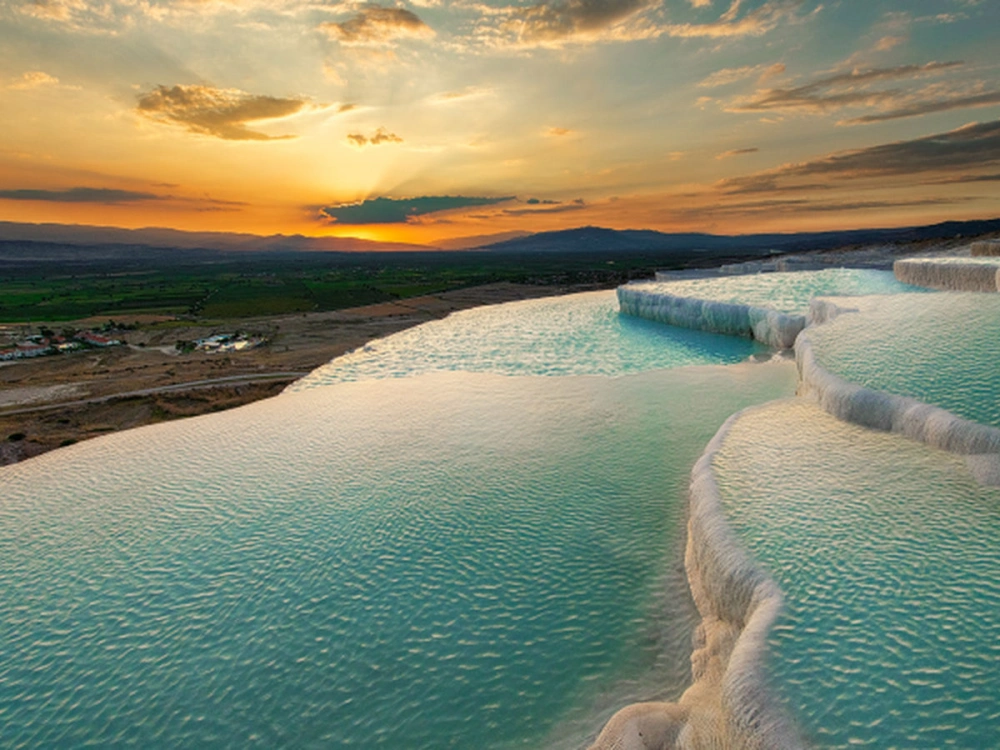
Pamukkale, on the other hand, mesmerises visitors with its ethereal travertine terraces. Formed by calcium-rich thermal springs, these cascading white basins offer a surreal landscape paired with the historical allure of Hierapolis, an ancient spa city. Together, they embody timeless charm.
Why Start Your Adventure from Istanbul?
Istanbul serves as the perfect launchpad for exploring Turkey’s diverse cultural landscapes. Its well-connected transportation network, including international flights and high-speed trains, ensures a seamless journey to Ephesus and Pamukkale. Travellers can experience Istanbul’s rich blend of European and Asian influences before venturing into the ancient ruins and natural wonders.
Starting in Istanbul allows visitors to immerse themselves in iconic historical sites like Hagia Sophia and the Grand Bazaar, creating a harmonious contrast with the archaeological marvels of Ephesus. Additionally, pre-tour city exploration offers opportunities for shopping, culinary delights, and cultural exposure, enriching the overall experience.
How to Get to Ephesus from Istanbul: Transport Options Explained
Travelling from Istanbul to Ephesus offers a variety of options to suit different preferences and budgets. Each mode provides a unique experience, ensuring convenience and flexibility.
Flight
Flying is the fastest option, with direct flights from Istanbul to Izmir Adnan Menderes Airport. Airlines such as Turkish Airlines and Pegasus operate daily services. From Izmir, Ephesus lies roughly an hour away by car or a shuttle service.
Train
For a scenic journey, travellers can take a high-speed train from Izmir’s airport to Selçuk, the closest town to Ephesus. Modern trains offer comfort and reasonable prices.
Bus
Long-distance buses connect Istanbul and Selçuk regularly. These overnight or day buses are cost-effective and provide an opportunity to observe Turkey’s diverse landscapes.
Car Rental
Renting a car allows for an independent, leisurely journey. This is ideal for those wishing to stop at attractions en route or explore the region in more depth.
Ephesus Highlights: History, Archaeology, and Timeless Wonders
Ephesus, a UNESCO World Heritage Site, stands as one of the best-preserved ancient cities in the Mediterranean. Its history dates back to the 10th century BCE, with Greek colonists establishing the city and later flourishing under Roman rule. Iconic landmarks, like the Library of Celsus, showcase Roman architectural brilliance, while the Great Theatre once held over 24,000 spectators for performances and political gatherings.
The Temple of Artemis, one of the Seven Wonders of the Ancient World, bears testimony to the city’s religious significance. Visitors can marvel at intricate mosaics and frescoes along the Terrace Houses, offering a glimpse into elite Roman life.
The Splendour of the Temple of Artemis: A World Wonder Reimagined
The Temple of Artemis stood as a monumental marvel, celebrated among the Seven Wonders of the Ancient World. Located in Ephesus, it was dedicated to the Greek goddess Artemis, symbolising fertility, hunting, and the moon. This colossal structure boasted grandeur with its enormous columns, fine marble, and glittering sanctuaries. Historians marvel at its scale, estimating it covered over 27,000 square feet.
Today, remnants of its foundation give a glimpse into its former majesty, sparking interest in architectural innovation of antiquity. Visitors trace the legacy of this temple, revered for its intricate design and spiritual significance. It remains a testament to human ingenuity, inviting awe.
A Guide to Pamukkale: The Cotton Castle and Its Thermal Waters
Pamukkale, translating to “Cotton Castle” in Turkish, is an iconic natural wonder renowned for its dazzling white travertine terraces formed by calcium-rich thermal waters. Nestled in southwestern Turkey, this UNESCO World Heritage Site blends historical, geological, and therapeutic significance.
What to Explore:
- Travertine Pools: Step into the cascading terraces filled with warm water, ideal for relaxation.
- Hierapolis Ruins: Ancient Roman ruins offering insights into centuries-old spa culture.
- Antique Pool (Cleopatra’s Pool): Soak amid submerged marble remnants from antiquity.
Pamukkale’s thermal springs, heralded for their medicinal properties, draw visitors seeking wellness amidst surreal landscapes.
Hierapolis: Exploring the Ancient City Adjacent to Pamukkale
Nestled next to the famed travertine terraces of Pamukkale lies the ancient city of Hierapolis, a UNESCO World Heritage site brimming with history and architectural grandeur. Founded in the 2nd century BCE by the Attalid kings of Pergamon, Hierapolis thrived as a Greco-Roman spa city. Visitors can stroll through its well-preserved streets, lined with ancient columns and remnants of ornate temples.
Key attractions include:
- The Theatre: A remarkable structure featuring 50 rows of seating with intricate carvings showcasing its Roman craftsmanship.
- The Necropolis: One of the largest in Anatolia, housing sarcophagi and grave monuments.
- The Plutonium: A mystical cave believed to be an entrance to the underworld.
Best Times to Visit: Weather, Crowds, and Seasonal Tips
The optimal time to explore Ephesus and Pamukkale is during the shoulder seasons of spring (April to mid-June) and autumn (September to mid-November). These months feature pleasant temperatures, typically ranging from 15°C to 25°C, ideal for sightseeing without extreme heat.
- Spring: Expect vibrant landscapes and mild weather, making it perfect for outdoor exploration. Crowds are moderate.
- Summer: June to August sees intense heat, often exceeding 35°C, and an influx of tourists, especially at iconic sites.
- Autumn: Similar to spring, the cooler weather provides comfort and fewer crowds compared to summer.
- Winter: From December to March, occasional rain and cooler temperatures (10°C to 15°C) mean fewer visitors, but some sites might have reduced accessibility.
Those seeking minimal crowds should aim for early mornings or weekdays regardless of the season. Comfortable walking shoes and weather-appropriate attire are essential.
Insider’s Guide to Dining and Accommodation for Your Tour
Travellers embarking on the Ephesus & Pamukkale tour can expect a blend of traditional Turkish hospitality and culinary delights. Ephesus, known for its rich heritage, offers accommodations ranging from boutique hotels to luxurious resorts, often equipped with Ottoman-inspired décor and modern amenities. Dining opportunities include local eateries serving fresh gözleme, kebabs, and baklava.
Pamukkale accommodations, nestled near travertine terraces, feature thermal spas and scenic views. Authentic restaurants highlight hearty Anatolian dishes like mantı and roasted lamb. Visitors will find cafés serving Turkish tea and coffee, perfect for relaxing after excursions. Both regions are crafted to leave travellers refreshed and culturally enriched.
Planning a Day Trip Versus an Extended Stay: Pros and Cons
When deciding between a day trip or an extended stay for the Ephesus and Pamukkale tour from Istanbul, each option presents its own unique advantages and challenges.
Day Trip Pros:
- Time-Efficient: Ideal for travellers on a tight schedule.
- Lower Costs: Saves on accommodation and extended travel expenses.
- Focused Itinerary: Concentrates on key highlights within a compact timeline.
Day Trip Cons:
- Rushed Experience: Limited time to fully explore each site.
- Travel Fatigue: Long journeys with less rest can be exhausting.
- Missed Details: Often skips smaller, but equally fascinating attractions.
Extended Stay Pros:
- In-Depth Exploration: Allows thorough visits of historical landmarks and natural wonders.
- Leisurely Pace: Provides ample time to relax and absorb the area’s atmosphere.
- Cultural Immersion: Opportunity to interact more with locals and explore traditions.
Extended Stay Cons:
- Higher Expenses: Additional accommodation and extended travel inflate costs.
- Time Commitment: Requires more time, which may not suit all schedules.
- Risk of Overplanning: Potential to overcrowd the itinerary, causing occasional stress.
Selecting between these options involves balancing priorities like time, budget, and desired depth of experience.
Cultural Etiquette and Tips for a Memorable Experience
When visiting Ephesus and Pamukkale, understanding local customs enriches one’s journey.
Key Points on Cultural Etiquette:
- Dress Modestly: Religious sites require attire covering shoulders and knees.
- Respect Religious Practices: Silence is appreciated during prayer times.
- Photography Sensitivity: Always ask permission before taking photos of people.
- Remove Shoes in Sacred Sites: Many areas, like mosques, demand shoe removal.
Travel Tips:
- Carry Cash: Smaller vendors may not accept cards.
- Hydration: Pamukkale’s warmer climate necessitates water.
- Timing Visits: Visit Ephesus early to avoid crowds and heat.
- Language Basics: Learn greetings in Turkish to connect with locals.
By adhering to these tips, travellers foster respect and gain authentic moments during their journey.
Packing Essentials for the Perfect Ephesus & Pamukkale Trip
Proper preparation is crucial for a comfortable journey. When exploring ancient ruins and natural wonders, prioritising practical and versatile items is essential:
Clothing
- Lightweight, breathable fabrics: Ideal for warm temperatures.
- Comfortable walking shoes: Essential for navigating uneven historical grounds.
- Modest attire: Respectful for visiting religious sites.
Accessories
- Wide-brimmed hat & sunglasses: Protect against intense sunlight.
- Daypack: Handy for carrying essentials.
- Refillable water bottle: Stay hydrated during excursions.
Travel Essentials
- Sunscreen & insect repellent: Shield skin from sunburns and pests.
- Travel guidebook or app: Enrich experiences with cultural insights.
- Portable charger: Ensure devices remain functional for photos and navigation.
These items streamline the journey, ensuring travellers embrace the history and beauty of Ephesus and Pamukkale without discomfort.
Exploring on Your Own Versus Guided Tours: Which is Right for You?
Making the choice between independent exploration and guided tours can shape the experience of a trip to Ephesus and Pamukkale.
- Independent Exploration: Offers flexibility to roam at one’s own pace, allowing thorough immersion in historical sites and natural wonders. Travellers can prioritise their interests without adhering to strict schedules. Navigating independently requires self-research and preparedness.
- Guided Tours: Provide expert insights from knowledgeable guides, enriching the understanding of cultural and historical significance. Time-efficient itineraries ensure key highlights are covered, reducing logistical concerns.
Ultimately, decisions may hinge upon individual preferences for convenience, autonomy, and depth of knowledge during the journey.
Budgeting for Your Ephesus & Pamukkale Tour: Costs to Consider
Planning a tour from Istanbul to Ephesus and Pamukkale involves accounting for a variety of expenses to ensure a smooth journey. Key costs include:
- Transportation: Flights or buses between Istanbul, Izmir, and Denizli; local transfers like taxis or private shuttles will add to the budget.
- Accommodation: Mid-range hotels typically cost between £40-£100 per night, though luxury options are higher.
- Tour Fees: Guided tours often range from £60-£150 depending on inclusions, such as meals or entrance tickets.
- Entry Tickets: Expect fees like £10-£15 for Ephesus and Pamukkale thermal pools.
- Meals: Budget about £20-£30 daily for meals featuring authentic Turkish cuisine.
Extras like souvenirs or travel insurance should also be noted.
Conclusion: Why Ephesus & Pamukkale Should Be on Your Travel Playlist
Ephesus & Pamukkale Tour seamlessly blend cultural immersion with natural splendour, offering travellers an unparalleled experience. Ephesus captures the grandeur of ancient civilisations through its architectural marvels, including the Temple of Artemis and the Library of Celsus. Pamukkale stands as a geological wonder, enchanting visitors with its pristine white terraces and thermal pools formed over millennia. Together, they create a fascinating juxtaposition of human ingenuity and nature’s artistry.
These sites appeal to history buffs, adventure seekers, and serenity lovers alike. Their accessibility from Istanbul ensures convenience, making them essential destinations for every travel itinerary seeking beauty paired with profound historical insight.